Periodic Videos Net Worth & Earnings (2026)
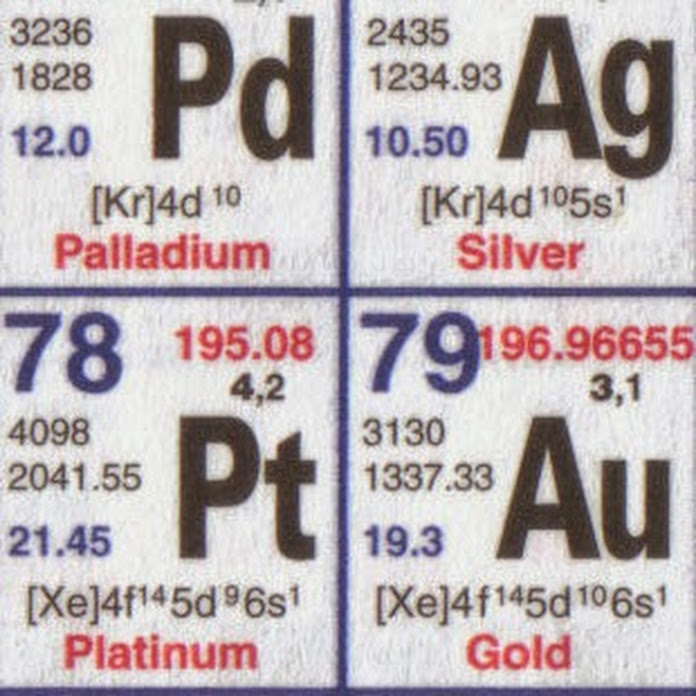
Periodic Videos has captivated audiences worldwide with its engaging approach to chemistry. This YouTube channel, known for its educational content, has become a favorite among science enthusiasts and educators. The channel's unique blend of humor, expertise, and creativity has made chemistry accessible to millions. With a dedicated following, Periodic Videos has established itself as a significant player in the digital education space.
Founded by Brady Haran and featuring the charismatic Sir Martyn Poliakoff, the channel has grown exponentially since its inception in 2008. It offers a comprehensive exploration of the periodic table, presenting each element in a way that is both informative and entertaining. This innovative approach has earned the channel a loyal fan base and numerous accolades.
As for its financial standing, Periodic Videos has an estimated net worth of $100 thousand. However, some estimates suggest that the channel's net worth could be closer to $250 thousand when considering additional revenue streams. This financial success underscores the channel's influence and the value it provides to its audience.
Table of Contents
The Science & Technology channel Periodic Videos has attracted 1.6 million subscribers on YouTube. The channel launched in 2008.
So, you may be asking: What is Periodic Videos's net worth? And how much does Periodic Videos earn? Only Periodic Videos truly knows, but we can make some really good estimates with YouTube data.
What is Periodic Videos's net worth?
Periodic Videos has an estimated net worth of about $100 thousand.
Our site's data points to Periodic Videos's net worth to be near $100 thousand. While Periodic Videos's actual net worth is unknown. Our website's industry expertise suspects Periodic Videos's net worth at $100 thousand, that said, Periodic Videos's actual net worth is not known.
That estimate only uses one advertising source however. Periodic Videos's net worth may truly be higher than $100 thousand. In fact, when including other income sources for a YouTube channel, some estimates place Periodic Videos's net worth closer to $250 thousand.
How much does Periodic Videos earn?
Periodic Videos earns an estimated $20.3 thousand a year.
Many fans ask how much does Periodic Videos earn?
When we look at the past 30 days, Periodic Videos's channel receives 339 thousand views each month and about 11.3 thousand views each day.
Monetized YouTube channels collect income by playing video ads for every one thousand video views. YouTubers can earn an average of between $3 to $7 per thousand video views. With this data, we predict the Periodic Videos YouTube channel generates $1.4 thousand in ad revenue a month and $20.3 thousand a year.
$20.3 thousand a year may be a low estimate though. If Periodic Videos earns on the top end, advertising revenue could earn Periodic Videos as high as $36.6 thousand a year.
YouTubers rarely have one source of income too. Additional revenue sources like sponsorships, affiliate commissions, product sales and speaking gigs may generate much more revenue than ads.
How does Periodic Videos make money?
Periodic Videos generates revenue through several key channels. The primary source of income comes from YouTube ad revenue. As a popular channel with over 1.5 million subscribers, the channel earns money from ads displayed during its videos. The more views the videos receive, the higher the ad revenue.
In addition to ad revenue, Periodic Videos benefits from sponsorships. Companies interested in reaching a science-focused audience may partner with the channel for promotional content. These sponsorships can provide a significant financial boost.
Another revenue stream is grants. The channel received funding from the Engineering and Physical Sciences Research Council to expand its video library. This grant allowed the team to create more content, which in turn attracts more viewers and potential sponsors.
Periodic Videos also engages in live performances. These events allow the team to connect with fans and generate additional income through ticket sales. The combination of these revenue sources helps sustain the channel and its educational mission.
Overall, Periodic Videos successfully combines ad revenue, sponsorships, grants, and live events to create a diverse income stream. This approach not only supports the channel's operations but also allows it to continue producing engaging and informative content for its audience.
Chemistry in Action: The Personal Life of Periodic Videos' Stars
Periodic Videos is not just a YouTube channel; it is a vibrant community of educators and scientists. At the center of this community is Sir Martyn Poliakoff, a prominent figure in chemistry. He has dedicated his career to making science accessible and engaging. His passion for chemistry is evident in every video he produces.
Sir Martyn Poliakoff has a rich personal life that complements his professional achievements. He has worked at the University of Nottingham for over four decades. His commitment to education extends beyond the classroom. He actively participates in community projects, focusing on sustainability and local development. This involvement reflects his belief in the importance of science in everyday life.
Brady Haran, the creator of Periodic Videos, also plays a crucial role in the channel's success. As a former BBC video journalist, he brings a unique perspective to science communication. His background allows him to craft engaging narratives that resonate with viewers. Haran's creativity shines through in the way he presents complex topics in a digestible format.
Both Poliakoff and Haran share a love for teaching. They often interact with their audience through comments and social media. This connection fosters a sense of community among viewers. Many fans appreciate the approachable style of the videos, which makes learning chemistry enjoyable.
In their personal lives, both men value family. Sir Martyn has children who have pursued careers in academia, reflecting a legacy of education. Haran, too, balances his professional commitments with family life, ensuring that he remains grounded amidst his success.
Overall, the lifestyle of the Periodic Videos team is a blend of professional dedication and personal fulfillment. Their work not only educates but also inspires a new generation of scientists and enthusiasts.
The Origins of Periodic Videos: A Journey into Chemistry
Periodic Videos began as a creative project aimed at making chemistry accessible and engaging. The channel was launched on June 9, 2008, by Brady Haran, a former BBC video journalist. Haran partnered with Sir Martyn Poliakoff, a prominent chemist at the University of Nottingham, to bring the periodic table to life through video.
Initially, the team aimed to create a video for each of the 118 known elements. They completed the first set of videos by July 17, 2008. The videos were shot unscripted, allowing for a natural and spontaneous presentation of chemistry concepts. This approach contributed to the channel's charm and authenticity.
Sir Martyn Poliakoff, known for his distinctive appearance and engaging personality, became the face of the channel. His enthusiasm for chemistry and ability to explain complex topics in simple terms resonated with viewers. The combination of Haran's video production skills and Poliakoff's expertise created a unique educational experience.
From the outset, the goal was clear: to inspire a new generation of students and spark interest in the field of chemistry. The channel quickly gained traction, attracting viewers from around the globe. The engaging content and entertaining experiments made chemistry approachable and fun.
As the channel grew, it became a valuable resource for educators and students alike. Teachers began incorporating the videos into their classrooms, further expanding the reach of Periodic Videos. The project not only educated but also entertained, making science accessible to a wider audience.
The Meteoric Ascent of Periodic Videos
Periodic Videos began its journey in June 2008, driven by the vision of Brady Haran, a former BBC video journalist. The channel's primary focus is chemistry, specifically the elements of the periodic table. Haran collaborated with Sir Martyn Poliakoff, a prominent chemist from the University of Nottingham, to create engaging content that would captivate audiences.
The initial concept was simple yet ambitious: produce a video for each of the 118 known elements. This idea quickly gained traction. The first videos were shot unscripted, showcasing the elements in a fun and accessible manner. The combination of Poliakoff's charismatic presence and the engaging experiments made the videos appealing to a wide audience.
As the channel grew, it attracted attention from both the public and the scientific community. By December 2021, Periodic Videos had amassed over 1.5 million subscribers and more than 260 million views. The channel became one of the most popular science-related platforms on YouTube, praised for its ability to make chemistry exciting and relatable.
Periodic Videos also received accolades from notable figures in the scientific community. Nobel Laureate Roald Hoffmann described the series as "the best reality show I've ever seen," highlighting its unique approach to science communication. The channel's success led to live performances, further expanding its reach and influence.
Through its engaging content, Periodic Videos has transformed the way chemistry is perceived. It has inspired countless students and educators, making science more approachable and enjoyable. The channel continues to thrive, regularly updating its library with new videos that explore various aspects of chemistry and beyond.
Remarkable Milestones of Periodic Videos
Periodic Videos has achieved significant milestones since its inception in 2008. The channel, created by Brady Haran and featuring Sir Martyn Poliakoff, has become a cornerstone of chemistry education on YouTube.
One of the most notable achievements is the creation of a video for each of the 118 elements on the periodic table. This ambitious project began with the first video shot on June 9, 2008, and concluded with the completion of all element videos by July 17, 2008. The team produced these videos unscripted, showcasing their genuine enthusiasm for chemistry.
As of December 2021, the channel has amassed over 1.5 million subscribers and more than 260 million views. This popularity has made it one of the leading chemistry channels on YouTube. The engaging content has attracted praise from notable figures, including Nobel Laureates and chemistry professors. Renowned chemist Roald Hoffmann described the series as "the best reality show I've ever seen – the universe revealing itself, element by element."
In recognition of his contributions to science communication, Sir Martyn Poliakoff received the Royal Society of London Michael Faraday Prize in 2019. This award highlights the impact of the videos in making chemistry accessible and exciting to a broader audience.
Periodic Videos has also ventured beyond YouTube. The team has performed live at events, including the EuroScience Open Forum in Turin, Italy, showcasing their experiments and engaging with audiences directly. These performances have further solidified their reputation as innovative educators in the field of chemistry.
Overall, Periodic Videos has not only educated millions but has also inspired a new generation of students to explore the wonders of chemistry.
Frequently Asked Questions about Periodic Videos
What is Periodic Videos's estimated net worth?
Periodic Videos has an estimated net worth of about $100 thousand. While this figure is based on available data, the actual net worth remains unknown. Some estimates suggest that Periodic Videos's net worth could be as high as $250 thousand when considering various income sources.
How much does Periodic Videos earn annually?
Periodic Videos earns an estimated $20.3 thousand a year. This estimate is based on the channel's monthly views and average ad revenue rates. However, this figure may be conservative, as additional income sources could significantly increase total earnings.
What factors influence Periodic Videos's net worth and earnings?
Periodic Videos's net worth and earnings are influenced by several factors. These include the number of views the channel receives, advertising rates, and additional revenue streams like sponsorships and merchandise sales. The channel's popularity and engagement also play a crucial role in its financial success.
What is Periodic Videos?
Periodic Videos is a YouTube channel dedicated to chemistry, focusing on chemical elements and the periodic table. It features a series of videos produced by Brady Haran, a former BBC video journalist, and prominently includes Sir Martyn Poliakoff and other experts.
When did Periodic Videos start?
The project began recording on June 9, 2008, and the initial videos were completed by July 17, 2008.
How many videos are on the channel?
Periodic Videos has produced over 710 videos, including videos for all 118 known elements and various supplemental chemistry topics.
Who are the main presenters of Periodic Videos?
The channel features several presenters, with Sir Martyn Poliakoff being the most visible. Other contributors include Peter Licence, Stephen Liddle, Debbie Kays, Neil Barnes, and Sam Tang.
What types of content can viewers expect?
- Videos about each element on the periodic table.
- Experiments and demonstrations, some of which are too dangerous for classroom settings.
- Supplemental videos on interesting molecules and chemistry news.
- Live performances and educational outreach.
Why are the videos popular?
The combination of engaging experiments, the charismatic presentation style of Sir Martyn Poliakoff, and the humorous approach to chemistry has made these videos widely popular among viewers.
How often does Periodic Videos upload new content?
Periodic Videos uploads new content regularly, often featuring updates on science news and interesting chemistry topics.
What is the goal of Periodic Videos?
The primary goal is to enthuse a new generation about chemistry and help viewers understand how chemists think and work.
Have the videos received any recognition?
Yes, the videos have received praise from Nobel Laureates and have been recognized for their contribution to science communication, including an award for Sir Martyn Poliakoff in 2019.
Can teachers use these videos in their classrooms?
Many teachers incorporate Periodic Videos into their lessons to enhance student engagement and understanding of chemistry concepts.
 What could Periodic Videos buy with $100 thousand?
Related Articles




More Science & Technology channels: aeronewstv net worth, How much does Power Vision earn, How rich is NASASpaceflight, TheiCollection, How much money does Pesquisa Fapesp make, how much does Top Lulu make, how much does Адвокат Егоров make, 331Erock age, Charlie Berens birthday, khoa pug