Yongey Mingyur Rinpoche Net Worth & Earnings (2026)
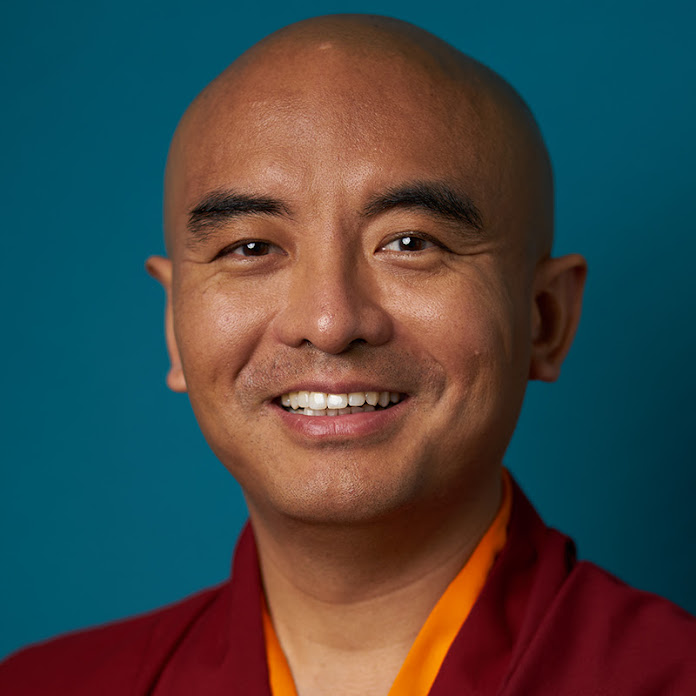
Yongey Mingyur Rinpoche is a renowned figure in the spiritual and educational spheres, captivating audiences worldwide with his profound teachings on meditation and mindfulness. His influence extends beyond traditional boundaries, reaching a diverse global audience through his engaging YouTube channel and best-selling books. Known for his ability to make complex Buddhist teachings accessible, Rinpoche has become a beacon of wisdom for many seeking inner peace and understanding.
His journey from a small Himalayan village to international prominence is a testament to his dedication and insight. As a spiritual leader, author, and educator, Rinpoche has successfully bridged the gap between ancient wisdom and modern science, contributing significantly to the understanding of meditation's benefits. His work has not only inspired countless individuals but also garnered attention from the scientific community.
Yongey Mingyur Rinpoche's financial success reflects his widespread influence. With an estimated net worth of $102 thousand, his earnings are a result of various revenue streams, including his YouTube channel, book sales, and speaking engagements. Some estimates suggest his net worth could be as high as $250 thousand, highlighting the substantial impact of his work.
Table of Contents
Yongey Mingyur Rinpoche is a popular Education channel on YouTube. It has attracted 601 thousand subscribers. The channel launched in 2009 and is based in the United States.
So, you may be asking: What is Yongey Mingyur Rinpoche's net worth? And how much does Yongey Mingyur Rinpoche earn? Using the subscriber data on Yongey Mingyur Rinpoche's channel, we can forecast Yongey Mingyur Rinpoche's net worth.
What is Yongey Mingyur Rinpoche's net worth?
Yongey Mingyur Rinpoche has an estimated net worth of about $102 thousand.
Although Yongey Mingyur Rinpoche's finalized net worth is not publicly available, networthspot.com pulls online video data to make an estimate of $102 thousand.
However, some people have estimated that Yongey Mingyur Rinpoche's net worth might possibly be higher than that. Considering these additional income sources, Yongey Mingyur Rinpoche could be worth closer to $250 thousand.
How much does Yongey Mingyur Rinpoche earn?
Yongey Mingyur Rinpoche earns an estimated $25.5 thousand a year.
There’s one question that every Yongey Mingyur Rinpoche fan out there just can’t seem to get their head around: How much does Yongey Mingyur Rinpoche earn?
On average, Yongey Mingyur Rinpoche's YouTube channel receives 425 thousand views a month, and around 14.2 thousand views a day.
Monetized YouTube channels earn money by displaying ads for every thousand video views. Monetized YouTube channels may earn $3 to $7 per every one thousand video views. Using these estimates, we can estimate that Yongey Mingyur Rinpoche earns $1.7 thousand a month, reaching $25.5 thousand a year.
Some YouTube channels earn even more than $7 per thousand video views. Optimistically, Yongey Mingyur Rinpoche may make as much as $45.9 thousand a year.
YouTubers rarely have one source of income too. Successful YouTubers also have sponsors, and they could increase revenues by promoting their own products. Plus, they could attend speaking gigs.
How Does Yongey Mingyur Rinpoche Make Money?
Yongey Mingyur Rinpoche generates income through various avenues. His primary source of revenue comes from teaching and leading meditation retreats worldwide. Rinpoche travels extensively, sharing his insights on meditation and Buddhist philosophy. He conducts workshops and public talks in numerous countries, attracting a diverse audience.
In addition to live teachings, Rinpoche has a strong online presence. He offers a wealth of resources on platforms like YouTube, where he shares videos of his teachings. This digital content not only reaches a global audience but also helps to promote his work and teachings, further enhancing his visibility and influence.
Rinpoche is also a successful author. His books, including The Joy of Living and Joyful Wisdom, have gained international acclaim. These publications have been translated into multiple languages and have appeared on bestseller lists. The sales from these books contribute significantly to his income.
Moreover, Rinpoche oversees the Tergar Meditation Community, which includes numerous meditation centers around the world. These centers often host events and retreats, generating additional revenue. The community also engages in various social projects, which can attract donations and funding.
Lastly, Rinpoche's involvement in scientific research on meditation adds another layer to his financial support. Collaborations with universities and research institutions can lead to grants and funding opportunities, further supporting his work.
- Teaching and leading meditation retreats
- Online content and YouTube channel
- Book sales and publications
- Overseeing Tergar Meditation Community
- Scientific research collaborations
Life Beyond the Teachings: Yongey Mingyur Rinpoche's Personal Journey
Yongey Mingyur Rinpoche leads a life deeply intertwined with his spiritual practice and teachings. His early experiences shaped his understanding of meditation and its benefits. As a child, he faced panic attacks, which he later transformed into a source of strength through meditation. This personal journey informs his teachings, making them relatable and impactful.
Rinpoche's lifestyle reflects his commitment to meditation and mindfulness. He travels extensively, teaching in various countries and engaging with diverse audiences. His approach is inclusive, aiming to make meditation accessible to everyone, regardless of their background. He emphasizes the importance of adapting teachings to fit different contexts, such as hospitals and schools.
In addition to his teaching, Rinpoche is an accomplished author. His books, including The Joy of Living and Joyful Wisdom, explore the intersection of ancient wisdom and modern science. These works have reached a global audience, being translated into multiple languages.
Rinpoche also maintains a connection with the scientific community. He collaborates with researchers to study the effects of meditation on the brain. This blend of spirituality and science enriches his teachings and broadens their appeal.
Despite his busy schedule, Rinpoche values personal time for meditation and reflection. He believes that continuous practice is essential for personal growth and understanding. His lifestyle exemplifies a balance between teaching, personal practice, and engagement with the world.
Overall, Yongey Mingyur Rinpoche's life is a testament to the transformative power of meditation. His journey from a young boy struggling with anxiety to a respected teacher inspires many. He embodies the principles he teaches, making his life as compelling as his teachings.
Yongey Mingyur Rinpoche: A Journey from the Himalayas to Global Influence
Yongey Mingyur Rinpoche was born in 1975 in a small Himalayan village near the border of Nepal and Tibet. He is the son of the esteemed meditation master Tulku Urgyen Rinpoche. From a young age, Rinpoche showed a deep interest in meditation and spirituality. He often sought solitude in the caves surrounding his village, where he began to explore the depths of his mind.
During his childhood, Rinpoche faced significant challenges. He suffered from severe panic attacks that affected his ability to engage with others and enjoy his surroundings. At the age of nine, he left home to study meditation with his father at Nagi Gonpa, a hermitage near Kathmandu. For nearly three years, Tulku Urgyen guided him through advanced Buddhist practices, including Mahamudra and Dzogchen, which are typically reserved for experienced practitioners.
At eleven, Rinpoche moved to Sherab Ling Monastery in Northern India, a key center in the Kagyu lineage of Tibetan Buddhism. There, he continued his studies and was formally recognized as the 7th incarnation of Yongey Mingyur Rinpoche at the age of twelve. His early training was rigorous, and by thirteen, he requested permission to enter a traditional three-year retreat, a rare request for someone so young. His dedication during this retreat helped him overcome his childhood panic attacks and achieve a profound understanding of meditation.
Throughout his formative years, Rinpoche received teachings from various esteemed lamas and continued to deepen his knowledge of Buddhist philosophy. His early experiences shaped his approach to teaching, blending ancient wisdom with modern insights. Today, he is known for making complex Buddhist concepts accessible to a global audience.
The Journey of Yongey Mingyur Rinpoche: From Humble Beginnings to Global Influence
Yongey Mingyur Rinpoche's rise to fame is a remarkable story of dedication, wisdom, and the blending of ancient teachings with modern insights. Born in 1975 in a small Himalayan village, Rinpoche was immersed in the world of Tibetan Buddhism from a young age. His father, Tulku Urgyen Rinpoche, was a respected meditation master, and this lineage set the stage for Mingyur Rinpoche's future.
At the age of nine, he began studying meditation with his father. This early training laid a strong foundation for his spiritual journey. By eleven, he was invited to reside at Sherab Ling Monastery in Northern India, where he was formally recognized as the 7th incarnation of Yongey Mingyur Rinpoche. His commitment to meditation was evident when, at just thirteen, he requested to enter a traditional three-year retreat, a rare feat for someone so young.
During this retreat, Rinpoche honed his skills in various meditation practices, overcoming childhood panic attacks and gaining mastery over his mind and emotions. His experiences during this time shaped his teaching style, which combines personal anecdotes with profound insights into meditation and mindfulness.
Rinpoche's fame began to grow as he started teaching internationally. His approachable manner and ability to connect ancient wisdom with contemporary science resonated with audiences worldwide. He became a sought-after speaker, leading workshops and retreats across continents.
His first book, The Joy of Living: Unlocking the Secret and Science of Happiness, became a bestseller and was translated into over twenty languages. This book, along with others like Joyful Wisdom and Turning Confusion into Clarity, further solidified his reputation as a leading voice in the field of meditation and mindfulness.
In addition to his writing, Rinpoche's participation in scientific research on meditation has garnered attention. Collaborating with neuroscientists, he has contributed to studies examining the effects of meditation on the brain, bridging the gap between Eastern philosophy and Western science.
Today, Yongey Mingyur Rinpoche is not just a meditation teacher; he is a global figure in the spiritual community. His teachings continue to inspire countless individuals, making him a pivotal figure in the modern understanding of meditation and its benefits.
Remarkable Milestones of Yongey Mingyur Rinpoche
Yongey Mingyur Rinpoche has achieved significant milestones throughout his life, establishing himself as a leading figure in Tibetan Buddhism and meditation. His journey is marked by profound contributions to both spiritual teachings and scientific research.
One of Rinpoche's most notable achievements is his ability to bridge ancient Buddhist wisdom with modern science. He participated in groundbreaking research at the Waisman Laboratory for Brain Imaging and Behavior at the University of Wisconsin. This collaboration with neuroscientists like Richard Davidson examined the effects of meditation on the brain. The findings gained attention in major publications, including National Geographic and Time.
Rinpoche is also a best-selling author. His first book, The Joy of Living: Unlocking the Secret and Science of Happiness, debuted on the New York Times bestseller list and has been translated into over twenty languages. This book, along with others like Joyful Wisdom: Embracing Change and Finding Freedom and Turning Confusion Into Clarity, has made his teachings accessible to a global audience.
In addition to his literary success, Rinpoche founded the Tergar Meditation Community, which has grown to include centers and practice groups across six continents. His teachings emphasize the practical application of meditation in everyday life, making them relevant to people from various backgrounds.
Rinpoche's unique teaching style combines humor and personal anecdotes, which resonate with students worldwide. His candid discussions about overcoming personal challenges, such as panic attacks, have inspired many to explore meditation as a tool for emotional healing.
Another significant achievement is his commitment to social engagement. Rinpoche actively develops programs that adapt meditation practices for use in hospitals, schools, and prisons. This initiative aims to bring the benefits of meditation to diverse communities, enhancing mental well-being and resilience.
Rinpoche's influence extends beyond his teachings and writings. He has become a sought-after speaker, sharing his insights at various international conferences and events. His ability to connect with audiences has solidified his status as a prominent figure in contemporary Buddhism.
Through these achievements, Yongey Mingyur Rinpoche continues to inspire countless individuals on their spiritual journeys, making a lasting impact on the practice of meditation and the understanding of mindfulness in today's society.
Frequently Asked Questions about Yongey Mingyur Rinpoche
What is Yongey Mingyur Rinpoche's estimated net worth?
Yongey Mingyur Rinpoche has an estimated net worth of about $102 thousand. This estimate is based on data from networthspot.com, which analyzes online video performance.
Could Yongey Mingyur Rinpoche's net worth be higher?
Yes, some estimates suggest that Yongey Mingyur Rinpoche's net worth might be closer to $250 thousand. This figure considers additional income sources beyond YouTube earnings.
How much does Yongey Mingyur Rinpoche earn annually?
Yongey Mingyur Rinpoche earns an estimated $25.5 thousand a year. This estimate is based on the channel's average monthly views and typical ad revenue rates.
Who is Yongey Mingyur Rinpoche?
Yongey Mingyur Rinpoche is a highly regarded Tibetan Buddhist meditation teacher, known for his ability to present ancient Tibetan wisdom in an engaging and accessible way. Born in 1975 in a small Himalayan village, he is the son of the renowned meditation master Tulku Urgyen Rinpoche. His teachings combine personal experiences with modern scientific research.
What is the focus of Yongey Mingyur Rinpoche's teachings?
Rinpoche's teachings focus on meditation and the integration of Buddhist philosophy with contemporary science. He emphasizes the importance of understanding the mind and emotions, and how meditation can help individuals overcome challenges and discover their true potential.
What are some of Yongey Mingyur Rinpoche's notable books?
- The Joy of Living: Unlocking the Secret and Science of Happiness - This book explores the connection between happiness and meditation.
- Joyful Wisdom: Embracing Change and Finding Freedom - This work discusses how to use difficult emotions as pathways to joy.
- Turning Confusion Into Clarity: A Guide to the Foundation Practices of Tibetan Buddhism - This book provides detailed instructions for those beginning their journey in Tibetan Buddhism.
- Ziji: The Puppy that Learned to Meditate - An illustrated children's book aimed at introducing meditation to young readers.
What is Yongey Mingyur Rinpoche's background in meditation?
From a young age, Rinpoche was drawn to meditation, often retreating to meditate in caves. He began formal training with his father at the age of nine and completed a traditional three-year retreat at thirteen. His extensive training includes teachings in Mahamudra and Dzogchen, as well as academic studies in Buddhist philosophy.
How does Yongey Mingyur Rinpoche incorporate science into his teachings?
Rinpoche has a lifelong interest in psychology, physics, and neuroscience. He has collaborated with scientists to study the effects of meditation on the brain, contributing to research that bridges the gap between Western science and Buddhist practices.
What is the Tergar Meditation Community?
The Tergar Meditation Community is a global network founded by Yongey Mingyur Rinpoche, offering meditation teachings and support to students in over thirty countries. Rinpoche leads workshops and retreats worldwide, fostering a community of practitioners.
What was the "wandering retreat" undertaken by Yongey Mingyur Rinpoche?
In June 2011, Rinpoche embarked on a "wandering retreat" through the Himalayas and India, lasting four and a half years. This journey allowed him to deepen his meditation practice and gain transformative insights, which he later shared in his teachings.
How does Yongey Mingyur Rinpoche address the concept of suffering in his teachings?
Rinpoche teaches that understanding suffering is essential for personal growth and liberation. He emphasizes that suffering can be a teacher, helping individuals discover their inner strength and potential. His approach encourages practitioners to observe and transform their relationship with suffering.
 What could Yongey Mingyur Rinpoche buy with $102 thousand?
Related Articles






More Education channels: 오마이스쿨 net worth, Professor Boaro net worth, How much is Corning Museum of Glass worth, УМНОЕ ЗДОРОВЬЕ net worth, How much is Inglés online TVE worth, How much money does Islamic Solution make, Is Gradeup: CTET & Other Teaching Exams Preparation rich, Robin Hood Gamer age, Rahat Hossain birthday, peachybbies